RISD’s MDes Programs in Adaptive Reuse and Exhibition and Narrative Environments: Repurposing and Altering Existing Structures | News
This post is brought to you by
Rhode Island School of Design (RISD)
At
the intersection of architecture, conservation, and design, the
Department of Interior Architecture (INTAR) at the Rhode Island
School of Design (RISD) takes an innovative approach to the reuse and
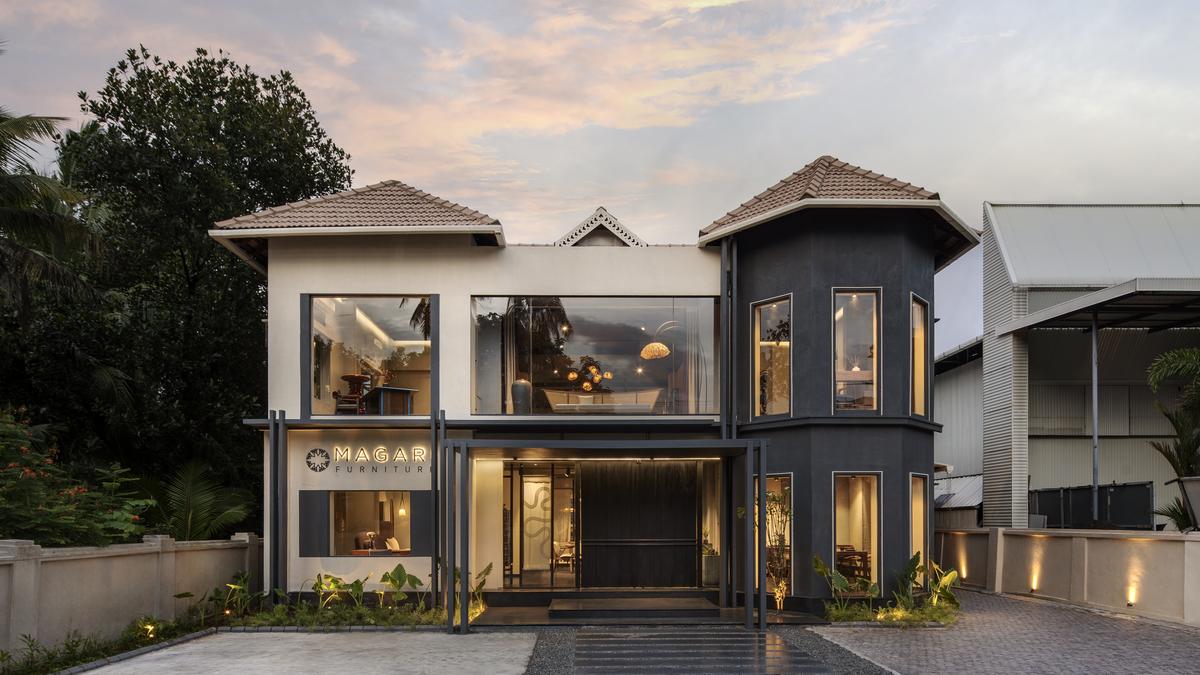
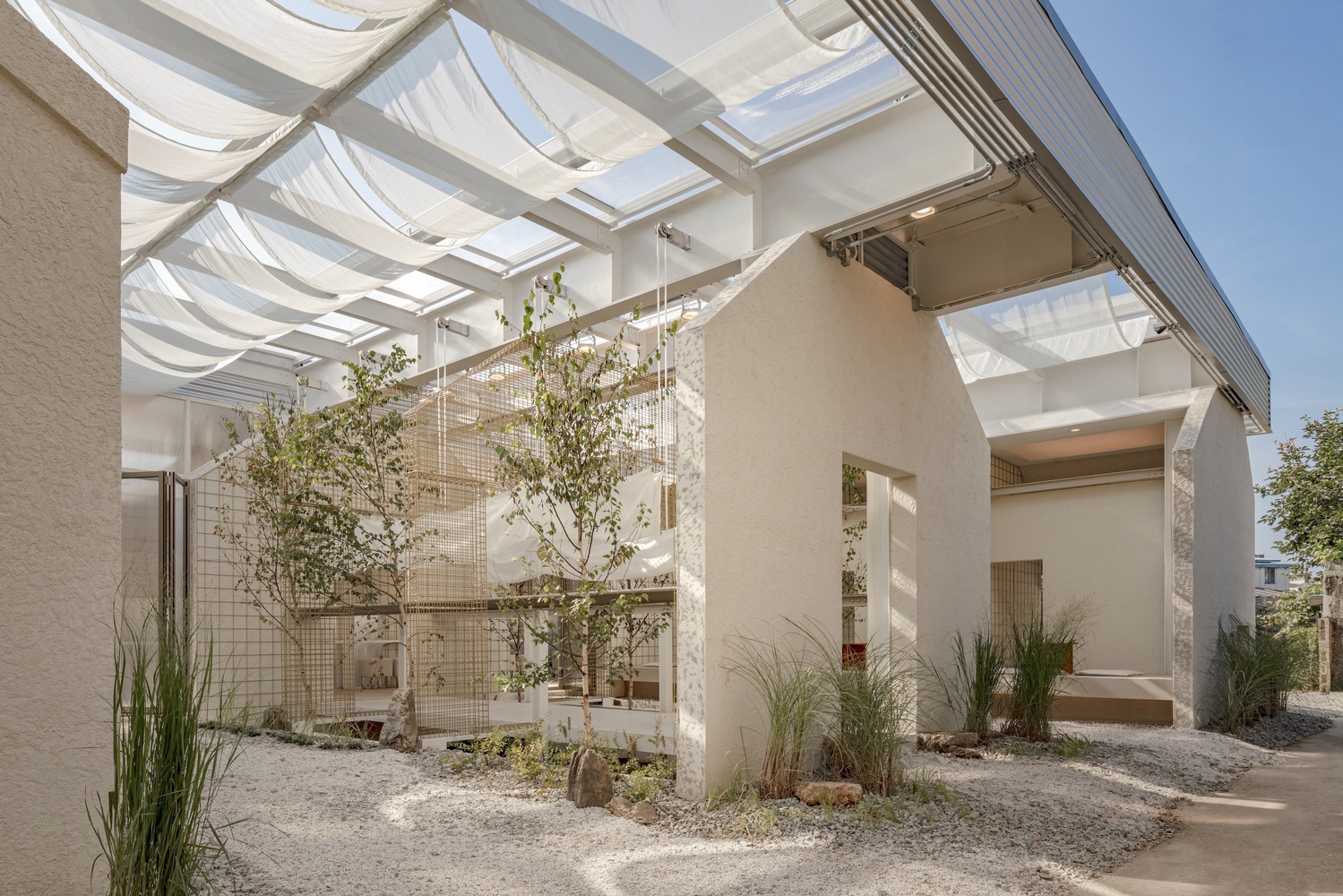
transformation of existing buildings. The department focuses on both
transforming the existing built environment and introducing new
experiences into the spaces we inhabit. Interior Architecture at RISD
seeks to understand the design of buildings from the inside out.
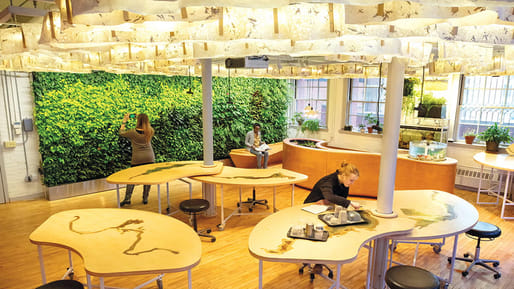
“To
adapt architecture is not necessarily a form of nostalgia about the
past nor a desire for an aspirational future, but can be an attitude
centered on the appreciation of beauty in the present context. We
often ask our students to not be caught in the treasures of the
precedent nor in promises of novel futures. But instead in honing the
beauty and anticipation for the work at hand. To rescue from disuse
and decay. To find inspiration from their own value systems with
informed responsibility. To envision the creation of uses, artifacts,
materials and spaces with a conscious knowledge of resources. Doing
the labor ourselves and in collaboration; to advance, alter,
innovate, contest and situate how we can live together in the
present.”
Eduardo Benamor Duarte, Head of Department, Interior Architecture
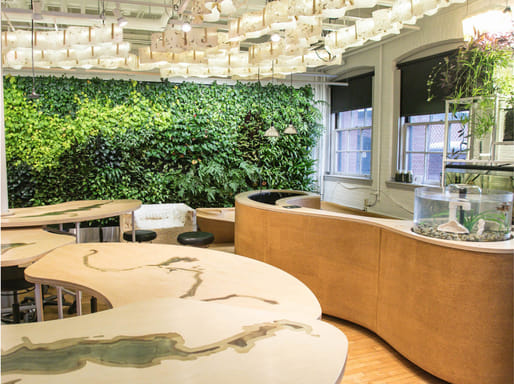
The
department offers two areas of specialization within the broader
field, leading to a “Master of Design (MDes) in Interior Studies:
Adaptive Reuse” and an “MDes in Interior Studies: Exhibition and
Narrative Environments”. Both degrees are two-year full-time
programs, beginning in the summer, that prepare students for a wide
range of professional and creative spatial practices.
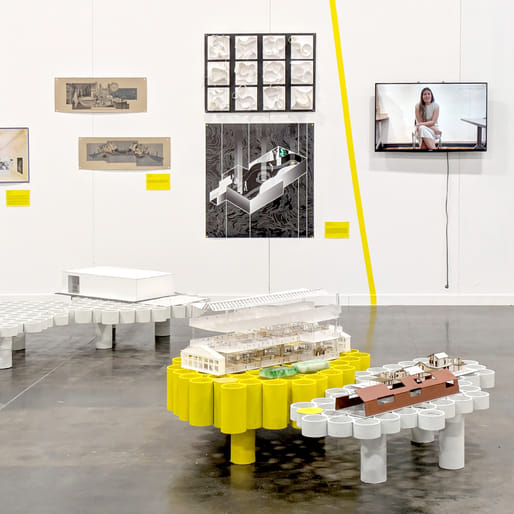
The
Adaptive
Reuse
program offers a learning experience suited to designers with
backgrounds in architecture and interiors, as well as newcomers to
the field. Experienced designers are given opportunities to apply a
deep understanding of architectural practice and contextual design to
imagine new futures for the existing built environment, while those
new to the discipline find the program valuable as a foundation for
exploration, experimentation, and critical thinking in real-world
contexts.
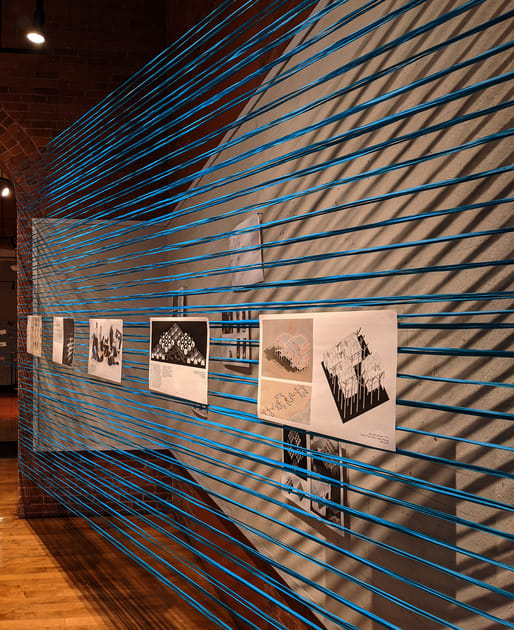
“MDes
in Adaptive Reuse at RISD tackles the question of how to re-imagine
the existing built environment with a keen interest in the ecological
and social impact of architectural and spatial design. This involves
designing towards reconfiguration with utmost attention to the
existing fabric, while treating ‘reuse’ as not only a structural
and programmatic question, but one that has strong ties to the
materials, resources, flows, and communities that are at play in any
given environment. Such a practice of reuse necessitates not shying
away from formal experimentations, working across scales,
incorporating emerging technologies, while maintaining a strong sense
of place through hands-on experience and real-life scenarios.”
Can Altay, Graduate Program Director, MDes in Interior Studies:
Adaptive Reuse
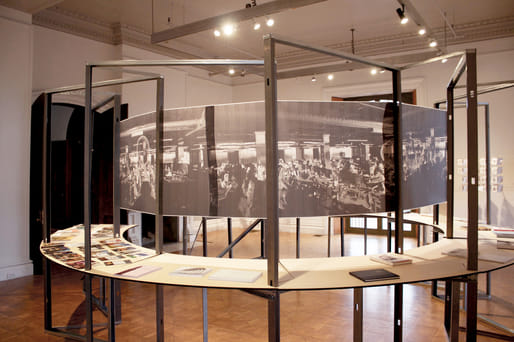
The
Exhibition
and Narrative Environments
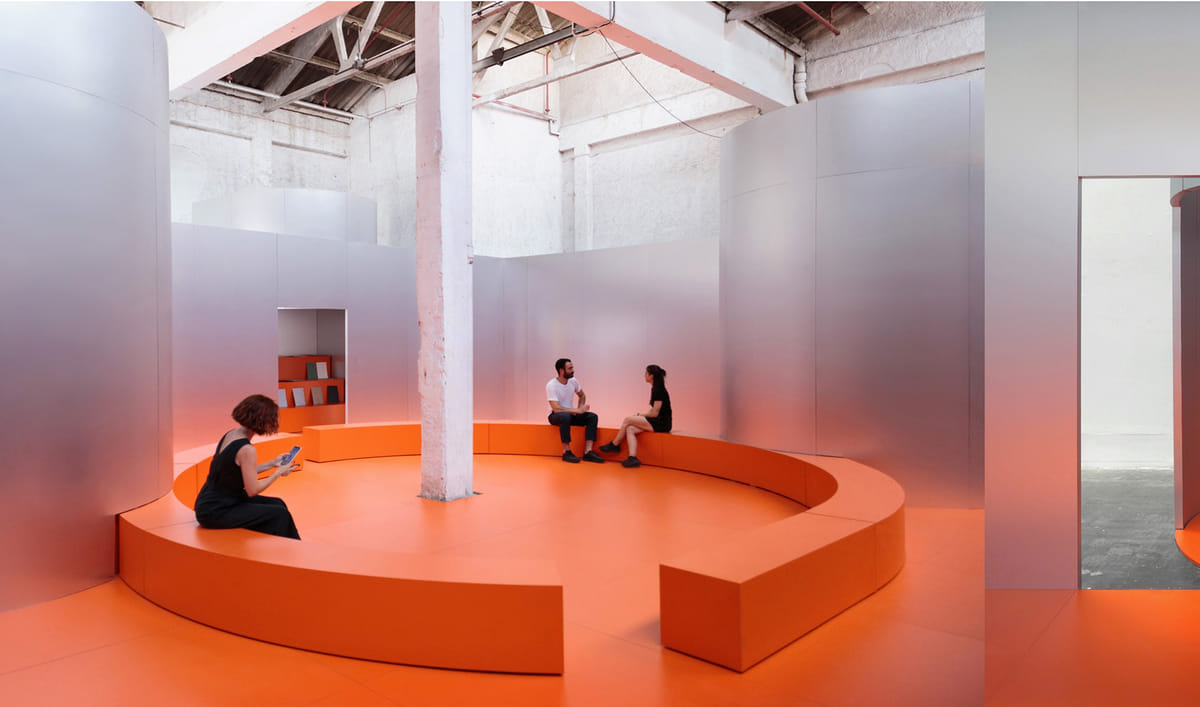
program advances the field of experiential design through
explorations of storytelling, spatial composition, and immersive
interventions in both formal and informal environments—from museums
and galleries to public spaces, retail and brand spaces, digital
installations, and more. The program welcomes experienced designers
and students with diverse educational backgrounds.
“The
current practice of exhibition designers includes different
disciplines that over the years became part of our professional life:
museum design, environmental design, set design, retail design,
events’ design, environmental graphic, public spaces, memorials,
international Expos, and so on. All those architectural interventions
have four things in common. They are ephemeral, they tell stories,
they relate to an existing space, and they are small-scale. There is
not yet a defined theory of exhibitions because the hybridity of the
discipline prevents us from compiling one, but that is what makes it
fascinating. We learn from architecture, we borrow from art, we study
history, we read landscapes, we respond to social issues, we have to
be contemporary, we cannot be permanent, we must be engaged.”
Francesca Liuni, Graduate Program Director, MDes in Interior Studies:
Exhibition and Narrative Environments
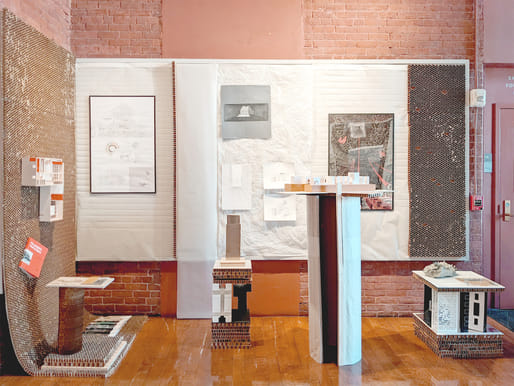
Program
Highlights:
-
Adaptive
Reuse: Students work on projects that imagine new futures for the
built environment, paying close attention to context and details to
unpack and highlight existing values while introducing new ones. Sustainability
is at the core of the program’s adaptive reuse pedagogical
approach. From the reuse of materials to the transformation of
interiors and the critical preservation of historical sites, students
will be immersed in an academic journey spanning multiple scales —
from the object to the room, the building, and the site — while
exploring the creative potential of sustainable design.
-
Exhibition
& Narrative Environments: Students develop design strategies
that recognize the impact of cultural and social issues on the
experience of a narrative environment, for a wide range of clients
and users.
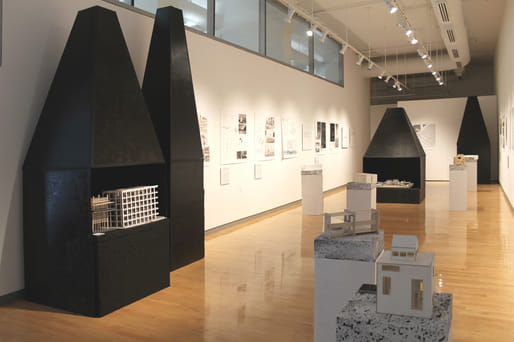
In
the Studio:
Design
studios are at the heart of the Interior Architecture department,
with seminars that allow students to hone their design skills and
understand relevant technologies. Students employ both digital and
manual methods to research and propose design alterations that
breathe new life into existing buildings. Studios explore a wide
range of approaches, including residential, retail, and
theater/production design, as well as issues related to preservation
and conservation.
Inspiring
Community:
Approximately
100 undergraduate and graduate students pursue degrees in the
Interior Architecture department, working together in their studios
at RISD’s Center for Integrative Technologies. Students come from
around the world and collaborate with over 25 full and part-time
faculty members who practice both in the US and internationally,
lending a global, cosmopolitan feel to the department and fostering
valuable collaborations and exchanges.
Faculty
and Resources:
The
faculty consists of experienced architects, designers, and
preservation specialists who bring both practical and academic
expertise to the program. RISD’s broader resources, such as its
renowned architecture and design libraries, state-of-the-art
fabrication labs, and materials libraries, provide invaluable tools
for students to experiment and refine their designs.
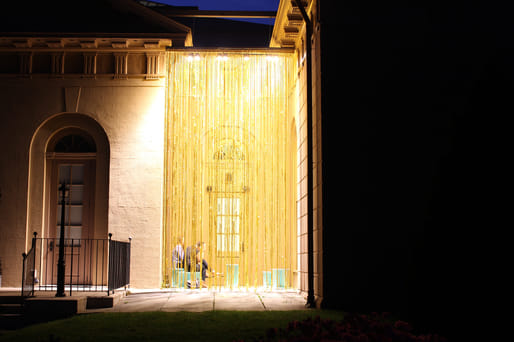
Career
Pathways:
As
a long-established department, RISD Interior Architecture alumni have
pursued creatively fulfilling careers across architecture, interiors,
and product design, worldwide. Beyond
working as interior architects, alumni also make an impact as
sustainability specialists, spatial designers, educators, and more.
Adaptive
Reuse alumni often work in established architecture and design
studios, while some venture out to set up their own studios or become
partners in firms working across residential, cultural, hospitality,
retail, and workspace projects.
Exhibition
and Narrative Environment alumni find work in the museum space, as
well as in retail, scenography, and experience design. Aside from
employment prospects in cultural institutions and design studios,
some alumni have established their own firms, becoming employers in
the field.
Find
out more
about the programs on our website and
apply
here
until January 5, 2025. Learn about the upcoming online and in-person
Open
House events.
MDes
Interior Architecture virtual open house,
Monday, November 17, 12pm EDT.
Registration
is open now.
Key
dates
Graduate
application deadline: January 5, 2026
Graduate
financial aid deadline: February 1, 2026
Apply
link